Where we help /02
Organically grown companies accumulate product portfolios that made sense at the time but now prevent growth. Pricing is based on historical cost rather than value. Sales teams are forced to explain before they can sell. The offering confuses the market even when the underlying product is genuinely strong. Adding AI on top of this structure makes everything worse before it gets better.
Our sales team spends half their time explaining what we do instead of selling it.
We've grown but our margins aren't keeping pace.
We want to grow internationally but our product structure doesn't travel well.
The products usually started with real needs. Features got layered on over the years without a structured “what problem does this solve?”. The customer persona drifted into a generic catch-all. The value proposition eroded silently because the market beneath it had moved — old customers stayed loyal, but new buyers were already buying something else. The hard conversation — what to keep, what to cut, who the product is now for — usually doesn't happen, because the people who know the business best are the same people most attached to the features they helped build.
Multi-year commercial turnaround of a Microsoft ERP consultancy.
Strategic Oracle to Azure cloud project, defended at board level.
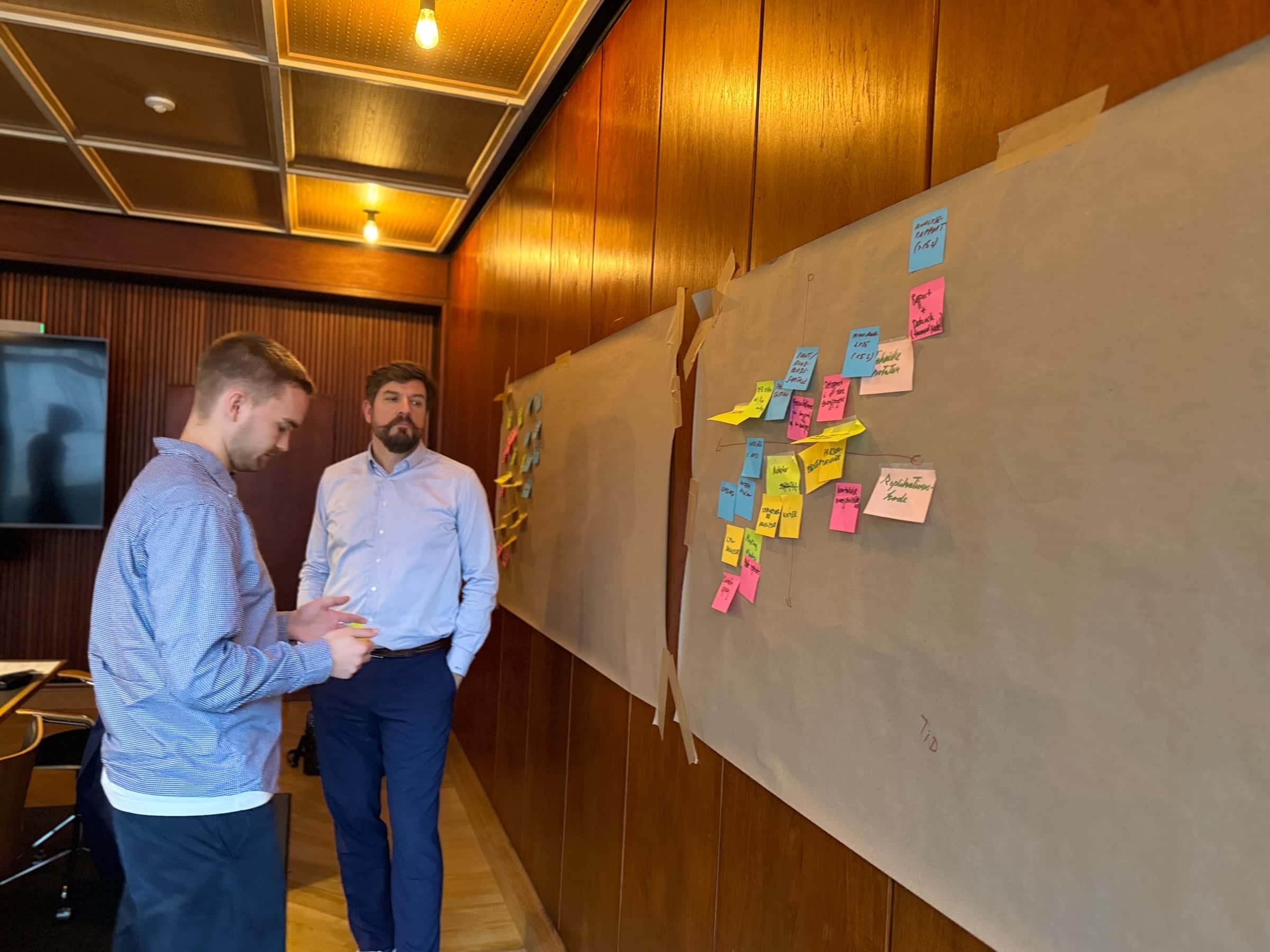
This is structural archaeology — opening up the portfolio feature by feature and asking what problem each one solves, for whom, at what price. Engagements typically start with a Depth Check, move into a structured Analysis of the portfolio and pricing model, and either proceed to an Implementation (rebuild of the offering, pricing, GTM) or to a Monthly Advisor cadence if the work is best owned internally with senior input from us.
Start here
“The right time to take a sober look at the portfolio is before the next pricing cycle, not after.”
Start a conversation →