Cases /06 · Productisation
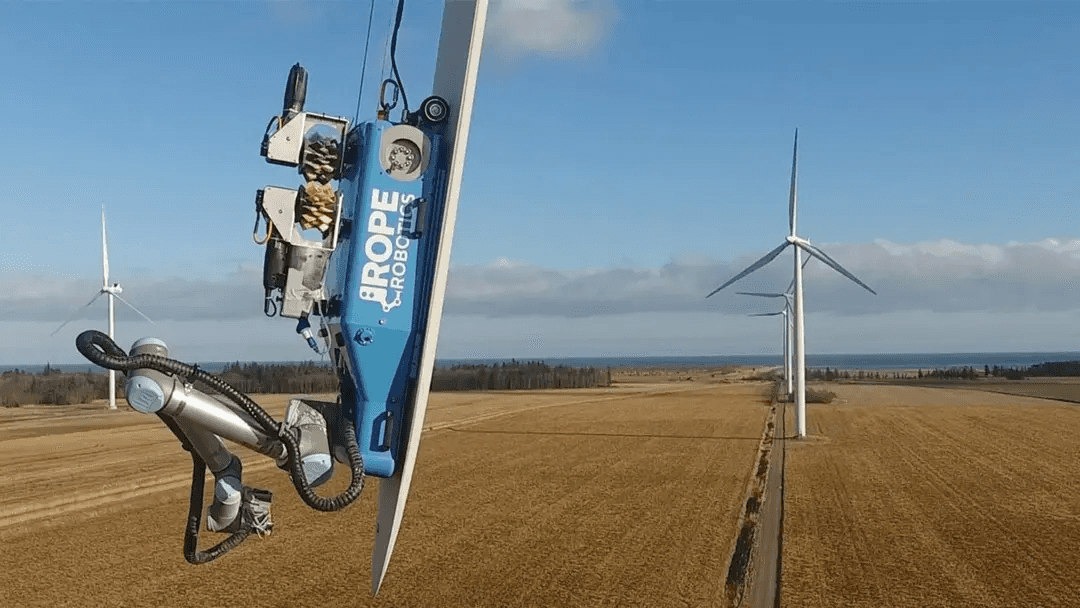
Rope Robotics builds autonomous robots that maintain the blades of offshore and onshore wind turbines — replacing rope-access teams in the most dangerous and most expensive part of the maintenance window. The robots climb, inspect, and repair surfaces sixty to ninety metres above ground in conditions humans should not be doing this work in.
Challenge
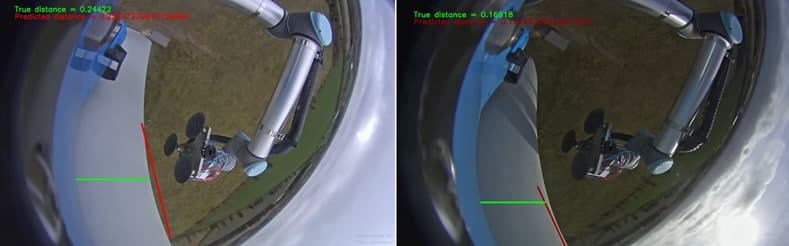
The robotics had to be autonomous enough to run with a single technician supervising from the ground. That meant the robot needed to see what it was doing — calibrate itself against the blade's curvature, detect defects in the surface, and, not least, recognise when it was about to fall off the blade's edge. Every one of those was a computer vision problem. Every one of those needed to be reliable enough that a person on the ground could trust it.
What was done
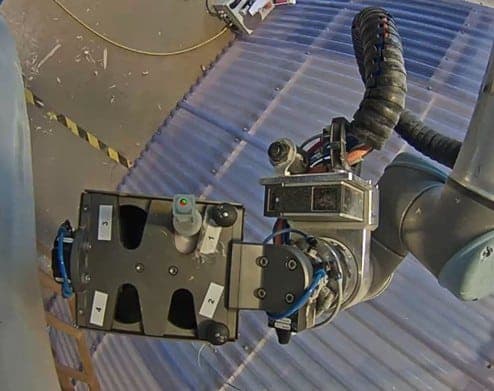
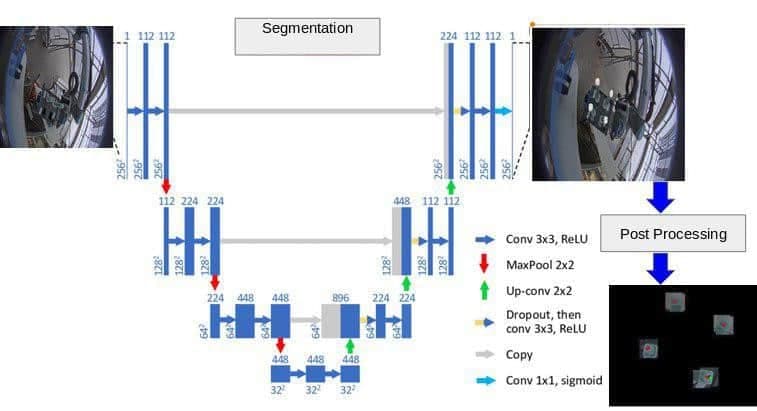
The computer vision and software layer of the autonomous servicing solution was delivered: blade calibration and navigation, defect detection, edge-detection (the robot doesn't fall off), and the operations layer that lets a single technician supervise multiple robots from the ground. The work was carried out alongside the engineering team that built the robot itself; the hardware was out of scope.
Measurable results
Operational cost reduction
Faster deployment time
Edge detection accuracy
Practitioner
Simon — Computer vision, AI implementation, Product.
Where this fits
This case maps to 'Our data could be new revenue. We don't know what to build.'Computer vision and real-time machine learning productised into a commercial offering — turning a hard technical problem into validated commercial revenue. The engagement was an Implementation — direct delivery, with the receiving engineering team integrated from day one.